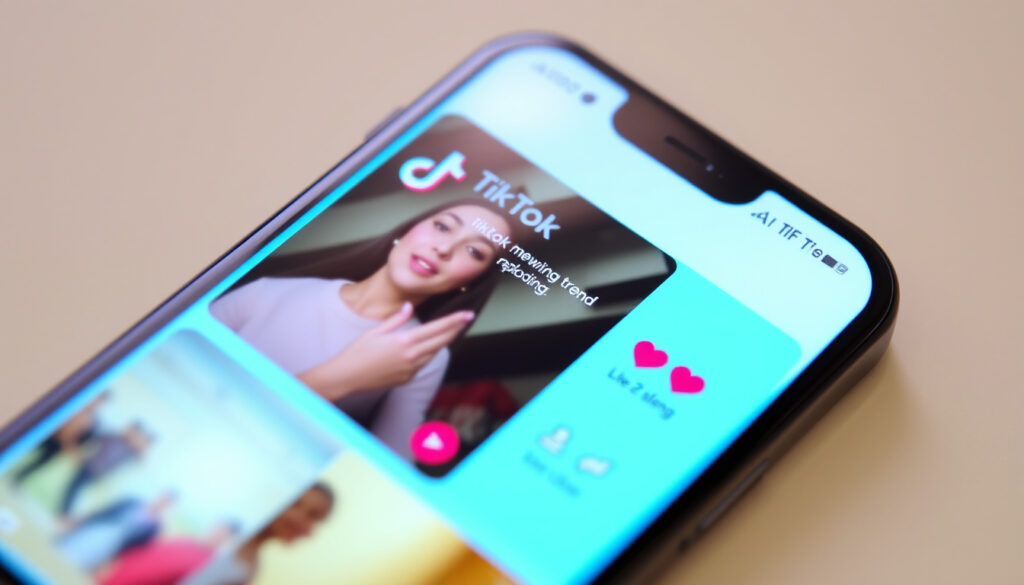
What Does Mewing Mean in Slang? Gen Z TikTok Trend Explained
If you’ve heard teenagers saying “I’m mewing” and wondered what on earth they mean, you’re not alone. This quirky bit of Gen Z slang started as a jawline exercise promoted by social media influencers, but it has since transformed into a classroom hand gesture that roughly translates to “I don’t want to answer that.” (FamilyEducation, 2024). The trend has parents and teachers scratching their heads, which is exactly why it caught on.
Origin: Dr. Mike Mew technique · Popularized on: TikTok · Target audience: Gen Z and teens · Named after: Orthodontist John Mew
Quick snapshot
- Mewing involves pressing the tongue against the roof of the mouth (FamilyEducation)
- Named after orthodontist John Mew who developed the technique in the 1970s (Findmykids)
- Whether mewing produces permanent jawline changes remains scientifically unproven (Scrolling in the Deep YouTube)
- Exact statistics on how many teens practice mewing regularly are unavailable (Scrolling in the Deep YouTube)
- The gesture continues spreading through middle schools despite teacher frustration
- Dental professionals remain skeptical about any structural benefits
Four key data points capture what we know and what remains uncertain about this viral trend.
| Label | Value |
|---|---|
| Slang Meaning | Jawline posture exercise |
| Inventor | John Mew (orthodontist) |
| Platform | TikTok primary |
| Demographic | Teens and Gen Z |
| Technique | Tongue against roof of mouth |
| Gen Alpha Meaning | Avoid talking gesture |
What does it mean if someone is mewing?
In its original form, mewing refers to a facial exercise technique involving pressing the tongue flat against the roof of the mouth. Orthodontist John Mew developed this method as part of a practice called orthotropics, aiming to influence jaw development and facial structure through proper tongue posture (Findmykids, 2024). The technique gained the name “mewing” because it was popularized under his surname in online fitness communities.
By the early 2020s, the term had migrated to TikTok where teenagers began using it as slang. When a teen says “I’m mewing” today, they typically mean one of two things: they are either practicing the tongue posture technique for aesthetic reasons, or they are performing a specific hand gesture that signals they want to avoid answering a question (Daily Dot, 2024). The context usually makes the meaning clear—if someone’s fingers are tracing their jawline while shushing you, they’re communicating nonverbally.
Core definition of mewing slang
The slang usage breaks down into three main contexts:
- Aesthetic practice: Keeping the tongue pressed upward to supposedly define the jawline
- Nonverbal signal: A shushing motion followed by a jawline trace to indicate “I’m not talking”
- Meme shorthand: Used humorously in TikTok videos to comment on jawline aesthetics or teen behavior
Mewing in Gen Z context
Gen Z adopted mewing as part of a broader interest in looksmaxxing—the practice of improving one’s appearance through various techniques. The Daily Dot reports that the term originally entered incel communities before spreading to mainstream TikTok, where it was stripped of its original ideological context and rebranded as a simple fitness hack (Daily Dot, 2024). This evolution mirrors how other internet phenomena get absorbed into youth culture and transformed beyond recognition.
Teachers report that the nonverbal gesture version has become a classroom disruption tool—students use it specifically to avoid answering questions, which frustrates educators trying to maintain engagement (Daily Dot, 2024).
What is mewing in Gen Z slang?
In Gen Z vernacular, mewing functions as both a noun and a verb describing jawline-focused activities. FamilyEducation explains that the term became embedded in teen slang around 2021-2022, coinciding with the rise of looksmaxxing culture on social media platforms (FamilyEducation, 2024). Unlike its origins in orthodontic theory, the Gen Z version focuses heavily on aesthetic outcomes—achieving a sharper jawline for selfies and TikTok videos.
The connection to looksmaxxing is significant because it places mewing alongside other appearance-enhancing practices like skincare routines, hair styling, and gym culture. Teens view it as something they can do for free, anywhere, without special equipment—just tongue posture. This accessibility contributed to its viral spread, especially among middle and high school students who spend significant time on TikTok.
Mewing as teen lingo
Within teen culture, saying “I’m mewing” serves multiple social functions:
- A way to signal awareness of fitness and appearance trends
- A privacy mechanism in school settings
- A shared reference point that creates group identity
- A humorous deflection when caught not paying attention
Connection to looksmaxxing
Looksmaxxing encompasses a range of strategies aimed at maximizing physical attractiveness, and mewing slots neatly into this framework. The appeal lies in its simplicity—no gym membership, no expensive products, just conscious tongue positioning. Findmykids reports that this low barrier to entry makes it particularly attractive to younger teens who may not have resources for other appearance investments (Findmykids, 2024).
The practice temporarily tightens facial muscles, which can improve appearance in photos, but dental professionals note it lacks any scientific evidence for producing lasting structural changes to the jawline (Scrolling in the Deep, 2024).
Why are kids saying mewing?
The appeal of mewing to younger generations stems from three converging factors: the TikTok algorithm rewards unusual content, middle school students love having secret communication methods, and the aesthetic obsession of looksmaxxing culture creates demand for quick-fix beauty tips. The Daily Dot documented how mewing slang surged in schools over several months from late 2023 onward, with teachers specifically complaining about students using the gesture disruptively (Daily Dot, 2024).
Kids also enjoy mewing because it gives them plausible deniability. When a teacher asks why a student isn’t participating, claiming “I’m just mewing” sounds less defiant than flat-out refusing to answer. This subtle social maneuvering appeals to adolescents navigating authority relationships, making the gesture simultaneously a communication tool and a small act of teenage resistance.
Rise on TikTok
TikTok’s recommendation algorithm amplifies content that triggers strong reactions, and mewing videos generate plenty of debate—partisans claim it works, skeptics mock it, and confused adults provide reaction content that further spreads the trend. Search data shows teachers venting about students mewing at them has become its own content category, with these videos rack up millions of views (Daily Dot, 2024).
The platform’s format also suits quick demonstrations. A teen can show the tongue position in a 15-second video, tag it with relevant hashtags, and potentially reach audiences far beyond their immediate social circle. This virality potential transforms a simple orthodontic technique into a cultural phenomenon.
Appeal to teens
The psychological appeal breaks down into practical and social dimensions:
- Control: Teens feel empowered by having something they can do independently
- Mystery: Adults are confused by the term, creating an in-group dynamic
- Physical results: Even temporary muscle tightening shows in photos, providing immediate feedback
- Community: Participating in trends creates social bonds with peers
Gen Alpha has taken this further by transforming the verbal practice into a nonverbal gesture—placing a finger to the lips in a shushing motion, then tracing the jawline with the same hand. This gesture signals “I don’t want to talk about this” without saying a word, making it perfect for classroom settings where speaking would draw teacher attention (FamilyEducation, 2024).
The scientific consensus is clear: mewing has little to no evidence supporting permanent facial restructuring claims. Dental professionals do not endorse it for structural changes, and orthodontic associations have not validated the technique’s fundamental premises (Scrolling in the Deep, 2024).
Is mewing just a TikTok trend?
While TikTok accelerated mewing’s spread into mainstream teen culture, the technique predates social media by decades. Orthodontist John Mew developed the underlying principles of orthotropics in 1970s England, focusing on how tongue posture and facial growth interact (Scrolling in the Deep, 2024). The Daily Dot first covered mewing as a fitness trend in 2020, when face yoga influencers began promoting tongue exercises as an alternative to surgical or orthodontic interventions (Daily Dot, 2024).
The journey from orthodontic technique to viral TikTok trend reflects how internet culture appropriates and transforms ideas. What began as a serious attempt to influence jaw development became a meme, then a teen slang term, and finally a classroom avoidance gesture—all within about five years of entering social media consciousness.
Origins beyond social media
Understanding mewing’s roots requires separating fact from social media fiction:
- John Mew’s orthotropics emerged from legitimate orthodontic research in England during the 1970s
- The practice remained within dental/orthodontic circles for decades
- Face yoga influencers adopted it around 2019-2020 as part of wellness content
- TikTok and Instagram accelerated adoption among teens starting in 2020
Spread via memes
Meme culture transformed mewing into shorthand for jawline obsession. YouTube creators like Scrolling in the Deep have produced detailed video essays explaining the trend’s evolution, with one narrator noting that “Gen Alpha snatched mewing away from the often toxic fitness community and turned mewing into a very specific gesture that denotes they want to avoid a question” (Scrolling in the Deep, 2024). This memeification stripped away the original scientific framing and replaced it with something more accessible and humorous.
The meme phase also introduced confusion: some posts mock the technique’s claimed benefits, while others genuinely advocate for it. Teen viewers absorb both messages and often practice mewing without clear understanding of whether they believe it works or are simply participating in a joke.
Daily Dot documented the transformation from beauty trend to classroom punchline: “Mewing has evolved from beauty trend to a punchline for avoiding accountability in class” (Daily Dot, 2024).
How to do mewing for girls?
The mewing technique follows a straightforward four-step process, though its effectiveness remains scientifically unproven. The FamilyEducation guide describes the correct tongue positioning as the foundation of proper mewing practice (FamilyEducation, 2024). Whether this produces lasting jawline changes is genuinely uncertain—orthodontists emphasize that adult bone structure is difficult to alter without surgical intervention.
Teen girls have embraced mewing as part of broader appearance-focused self-improvement, particularly for selfie-taking and social media content creation. The appeal of a defined jawline in photos drives much of this engagement, with models reportedly using tongue posture to achieve more pronounced cheekbones (Findmykids, 2024).
Step-by-step technique
The proper mewing form involves four sequential elements:
- Tongue placement: Press the entire tongue flat against the roof of your mouth, not just the tip
- Lips sealed: Keep your mouth closed with teeth lightly touching or slightly apart
- Correct posture: Maintain a straight neck with your head positioned directly over your shoulders
- Consistent pressure: Apply gentle but firm upward pressure with your tongue against the palate
Dr. Mike Mew’s guide
Dr. Mike Mew (son of John Mew) has produced extensive content on proper mewing technique, emphasizing that consistency matters more than intensity. His guidance suggests holding proper tongue posture throughout the day rather than attempting extended sessions. The YouTube channel Scrolling in the Deep features Dr. Mew explaining his approach, though he acknowledges the scientific community remains skeptical of orthotropic claims (Scrolling in the Deep, 2024).
How to mew: A practical breakdown
Breaking down mewing into actionable steps helps separate genuine technique from social media noise.
Position your tongue correctly
Place your entire tongue flat against the roof of your mouth, not curled. The goal is full-surface contact from front to back teeth.
Seal your lips
Keep your mouth closed naturally. Teeth should touch lightly or rest slightly apart—never clench forcefully.
Check your head position
Look straight ahead with your chin parallel to the floor. Avoid tilting your head up or down, which affects tongue pressure.
Hold throughout the day
Practice consistent tongue posture during normal activities. Brief, frequent sessions outperform occasional extended efforts.
Confirmed facts
- Mewing is named after orthodontist John Mew’s techniques
- The technique involves tongue posture against the palate
- TikTok served as the primary platform for viral spread
- Gen Alpha transformed verbal practice into a nonverbal gesture
- Classroom usage frustrates teachers seeking student engagement
What’s unclear
- Whether permanent jawline changes are achievable
- Exact percentage of teens who practice mewing
- Long-term effects of consistent tongue posture
- Regional variations beyond US English-speaking contexts
What people are saying
“I’m actually the founder of mewing. It refers to a facial exercise that helps in chiseling one’s jawline.”— John Mew, Orthodontist
“Gen Alpha snatched mewing away from the often toxic fitness community and turned mewing into a very specific gesture that denotes they want to avoid a question.”— Scrolling in the Deep, YouTube Creator
“[Mewing is] a way to avoid accountability and not participate in the classroom.”— Newman, Middle School Teacher
“Mewing is not going to actually improve anything as far as we know physically.”— Scrolling in the Deep, YouTube Expert
For parents and educators, the mewing phenomenon illustrates how quickly internet slang can migrate into physical spaces and disrupt established social norms. Teachers who understand the term can address it directly rather than being confused by mysterious shushing gestures. Parents can use the trend as a conversation starter about online influence and critical evaluation of health claims.
Frequently asked questions
What does Mew mean in slang?
In Gen Z and Gen Alpha slang, “mew” or “mewing” refers to the practice of maintaining tongue posture against the roof of the mouth to improve jawline appearance, or the nonverbal gesture of shushing followed by a jawline trace that signals unwillingness to answer.
Why are teens obsessed with mewing?
Teens embrace mewing because it offers a free, accessible appearance-improvement technique promoted by social media influencers. The trend also provides an in-group identity marker and serves as a subtle classroom communication tool.
Does mewing actually improve your jawline?
Current scientific evidence suggests mewing produces little to no permanent structural changes to the jawline. Temporary muscle tightening may improve appearance in photos, but dental professionals do not endorse it for lasting results.
What is the difference between mewing and looksmaxxing?
Mewing is one specific technique within the broader looksmaxxing movement, which encompasses various appearance-enhancing strategies. Looksmaxxing includes skincare, fitness, hair styling, and posture work alongside mewing.
Is mewing safe for kids?
While the physical act of tongue posture appears harmless in moderation, dental professionals caution against relying on mewing for structural changes or developing unhealthy fixation on appearance. Parents should monitor usage and maintain perspective on its limitations.
How long does mewing take to work?
Most advocates suggest months to years of consistent practice before potential visible results. However, no rigorous scientific studies have documented actual structural changes from mewing alone, making timeline claims speculative.
What does mewing mean in memes?
In internet meme culture, mewing functions as both a subject of mockery and genuine advocacy. Some memes joke about teens doing mewing in inappropriate situations, while others seriously promote the practice as a path to improved appearance.
More related posts
 US Lithium Extraction Breakthrough: New Tech & Mining 2026
 Bones in the Body: 206 Count, Types, Functions & Growth
 Reverse Osmosis System for Home: Complete Guide & Expert Insights
 Memoir of a Snail: Parents Guide, Age Rating & Themes
 Lakers vs Magic Player Stats: Feb 24 Game Recap
 How Old Is SZA’s Daughter? The Truth About Her Family
 United States at the Winter Olympics – Medals, History, Records
 Car Dealer Near Me – How to Find Reliable Dealers