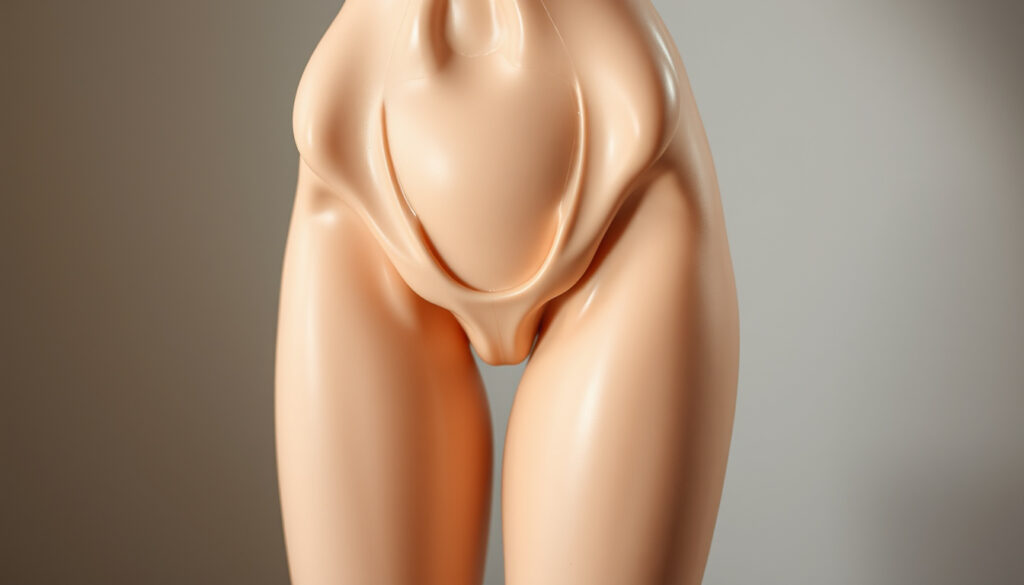
What Are Hip Dips? Causes, Fixes & Attractiveness Explained
You might have caught yourself checking your reflection in a way you never used to—or stumbled across a fitness post that named a body feature you’d never heard of before. Hip dips, sometimes called violin hips, sit between your hip bone and thigh, and they’ve become a surprising focus of body image discussions online. This guide breaks down what’s actually going on beneath the surface, what you can and cannot change, and why more people are choosing to embrace the natural curve rather than fight it.
Definition: Inward curves between hips and thighs · Primary Cause: Pelvic bone structure · Related To: Muscle and fat distribution · Fixable By: Exercises or surgery limited · Prevalence: Common natural variation
Quick snapshot
- Hip dips stem from your pelvic bone structure, not body fat or fitness level (Cosmopolitan UK)
- Exercise cannot alter bone structure but can sculpt surrounding muscles (Dr. Azouz Plastic Surgery Blog)
- Whether hip dip prominence varies across different ethnic or regional populations lacks robust data (Cosmopolitan UK)
- The psychological impact of social media awareness around hip dips remains understudied (Cosmopolitan UK)
- Body positivity influencers began advocating for hip dip acceptance around 2018 (Cosmopolitan UK)
- Cosmetic procedures like hip dip filler continue gaining attention as non-surgical options (Cosmopolitan UK)
- More fashion brands are featuring models with visible hip dips in campaigns (Cosmopolitan UK)
Here are the key details about hip dips in summary form.
| Label | Value |
|---|---|
| Location | Below hip bones, above thighs |
| Cause | Bone structure (pelvic shape) |
| Genetics | High influence from genetic factors |
| Exercises | Can minimize appearance, not eliminate |
What are hip dips caused by?
The inward curves along your hips—sometimes called violin hips for their distinctive shape—come down to your pelvic anatomy. A board-certified plastic surgeon explains that hip dips are inward curves that naturally exist between the upper thigh and hip bone, and they result from your bone structure rather than any flaw or defect. Fat distribution and muscle mass play supporting roles in how pronounced these curves appear, but the underlying cause is genetic and determined before you’re born.
Research from body confidence advocates confirms this: hip dips are genetic, and their prominence varies based on your individual body form and genetic makeup. Whether you carry more fat, more muscle, or less of both, your pelvic bone shape sets the stage. You won’t find hip dips listed as a medical condition because they’re not one—they’re simply a normal variation in human anatomy.
Your hip dips aren’t a problem to solve—they’re a structural characteristic you inherited, like height or shoulder width. No amount of targeted exercises will change the bone underneath.
Pelvic bone structure
Your pelvis has natural indentations where the bone curves inward above your femurs. These depressions—clinically referred to as trochanteric depressions—create the visible gap between your hip bone and thigh. The depth of this curve varies significantly from person to person based on the angle and shape of their upper pelvis and femurs.
Muscle and fat factors
While bone structure determines whether you have hip dips, your muscle and fat distribution affect how noticeable they are. Building muscle in your glutes and outer thighs can reduce the visual contrast, creating a smoother silhouette. Conversely, lower body fat percentages can make the bone shape more apparent. Neither factor can eliminate hip dips entirely—only surgical intervention can change the underlying structure.
Are hip dips considered attractive?
Attractiveness is subjective, and cultural standards shift over time. Hip dips have gone in and out of fashion cycles: a curvier silhouette was celebrated in the Renaissance, while different body ideals dominated other eras. Today, social media has amplified specific angles and poses that can make hip dips either more or less apparent, but this doesn’t reflect what people actually find attractive in real life.
Body positivity voices have made significant inroads here. Influencer Alex Light states that hip dips are a result of bone structure and are beautiful, encouraging people to embrace their natural shape. Celebrity advocates like Lizzo and Ashley Graham have openly discussed their bodies including hip dips, reframing them as part of a healthy, normal physique rather than something to hide or correct.
The visibility of hip dips on social media often distorts perceptions—filtered images can create unrealistic standards that don’t match everyday bodies. Many people don’t notice their own hip dips until they encounter the term online.
Cultural perceptions
Different cultures and time periods have embraced varying body ideals. What gets labeled as an imperfection in one context may be celebrated in another. The body positivity movement has pushed back against narrow beauty standards, arguing that features like hip dips represent healthy variation rather than flaws.
Body positivity views
The body positivity community frames hip dips as one of many natural body variations. Influencers frequently post unedited photos showing their hip dips, using hashtags like #hipdips to normalize the feature. This shift in perspective has helped many people see hip dips as neutral rather than negative—a change in how bodies are understood rather than something to fix.
Can you get rid of hip dips?
You cannot eliminate hip dips through exercise alone because exercise cannot change bone structure. What targeted workouts can do is build muscle around the hip dip area, creating a more sculpted appearance that reduces visual contrast. Lunges, squats, and side leg lifts are resistance training exercises recommended to improve hip and thigh muscular tone, and strengthening the obliques, gluteus medius, and gluteus minimus can help reduce the appearance of hip dips.
If you’re looking for more dramatic changes, surgical options exist. Fat transfer procedures—commonly known as Brazilian Butt Lift—remove fat from areas like the abdomen, thighs, or flanks using liposuction, then purify and inject that fat into the hip dip region to create a smoother curve. Silicone hip implants offer a more permanent and dramatic reshaping for those with little body fat, surgically inserted into the hip area to build out volume and create a smoother outer curve.
Hip dip filler is a cosmetic procedure that exists as an alternative to surgical enhancement, though long-term safety data on fillers remains limited. Always consult with board-certified professionals about risks and realistic outcomes.
Exercise limitations
Building muscle in your glutes, hips, and thighs can improve overall proportion and create a more athletic silhouette. However, the bone structure underneath remains unchanged. Most fitness experts recommend accepting this limitation while focusing on overall health and strength rather than trying to “fix” a body part that isn’t broken.
Surgical options
For those seeking permanent change, surgical procedures offer the only true solution. Brazilian Butt Lift fat transfer is currently one of the most popular body contouring procedures, though it carries typical surgical risks including infection, asymmetry, and the rare but serious risk of fat embolism. Silicone hip implants provide more dramatic reshaping but require invasive surgery with associated recovery time and potential for implant-related complications.
Those considering hip dip surgery options like fat transfer and implants should weigh the permanent nature of these procedures against their aesthetic goals.
What body shape usually has hip dips?
Hip dips appear across all body types—the pear shape, hourglass, rectangle, and apple body shapes can all include this feature. Body confidence advocates note that hip dips are genetic, and so darn common, appearing regardless of whether someone is slim, muscular, or has a softer figure. The visibility depends more on bone structure and fat distribution patterns than body shape category.
The feature gets more attention now because social media makes body variations visible in ways they weren’t before. Many people don’t notice their hip dips until they become aware of the term through social media or internet searches—it’s not that the feature is new, just that we now have language and imagery to discuss it.
Common in pear shapes
Pear-shaped bodies, which carry more weight in the hips and thighs, often show hip dips more prominently because the contrast between the hip bone indentation and surrounding tissue is more visible. However, this isn’t a rule—some pear-shaped bodies have minimal hip dips while some athletic builds show them clearly.
Violin hips variation
The term violin hips refers to the same inward curves, emphasizing how the indentation creates an hourglass-like silhouette when pronounced. This variation is neither good nor bad—it’s simply a descriptor for a particular pelvic shape that produces visible curves between the hip bone and thigh.
Do guys find hip dips attractive?
Individual preferences vary widely, and generalizing about “what guys think” oversimplifies a diverse range of opinions. Some people find hip dips attractive as part of a curvy body shape, while others don’t notice or care about the feature at all. The real question isn’t whether hip dips are universally attractive—nothing is—but whether someone allows a minor physical characteristic to define their self-worth.
Celebrities including Kourtney Kardashian, Miley Cyrus, Selena Gomez, Tracee Ellis Ross, Bella Hadid, Megan Thee Stallion, and Julianne Hough reportedly have hip dips, and many of them have been photographed wearing fitted clothing that shows this feature. Julianne Hough’s breakthrough came in 2000 when she starred in the film Bring It On, and Selena Gomez achieved global fame through her double role in The Vampire Diaries—both women display hip dips in various public appearances without apparent concern.
No single body feature makes someone attractive or unattractive to everyone. What matters far more than any anatomical detail is how comfortable someone feels in their own body—and that confidence comes from self-acceptance, not from achieving a particular shape.
Male perspectives
Survey data on preferences for hip dips specifically doesn’t exist in rigorous form, likely because the feature is so minor relative to overall attraction factors. General body attraction research suggests that people respond to a combination of factors including confidence, proportion, and overall health rather than singular anatomical details.
Celebrity examples
The celebrities reportedly embracing hip dips span different body types and careers—from dancer Julianne Hough to model Bella Hadid to musician Megan Thee Stallion. Their visibility has helped normalize the feature, though it’s worth noting that most celebrity appearances involve styling, posing, and photography choices that may minimize or highlight various features depending on the shoot.
How to minimize hip dip appearance
If you want to reduce how visible your hip dips are, targeted strength training can help. Focus on building the gluteus medius, gluteus minimus, and obliques—these muscles sit around the hip dip area and can create a more filled-in appearance when developed.
Best exercises for hip dips
- Side leg raises: Targets gluteus medius to add fullness at the upper hip
- Hip thrusts: Builds overall glute mass to smooth the silhouette
- Lateral walks with bands: Engages hip abductors for balanced development
- Bulgarian split squats: Strengthens quads and glutes with single-leg emphasis
- Clamshells: Activates external hip rotators often underdeveloped
The implication is that consistency with these movements over weeks and months produces the most visible changes, even if the underlying bone stays the same.
Styling tips to minimize appearance
Clothing choices can reduce visual emphasis on hip dips. High-waisted pants and skirts create a longer line from waist to hip, visually smoothing transitions. Darker colors on the hip area and lighter colors at the waist draw attention upward. Wrapped tops and structured garments add volume at the upper body, creating better proportion. Many influencers use posing techniques such as popping legs, keeping the core tight, and pushing the bum back to minimize the appearance of hip dips in photos.
Confirmed facts
- Hip dips stem from pelvic bone structure—confirmed by medical and fitness sources
- Exercise cannot change bone structure but can improve muscle appearance
- Hip dips are genetic and vary based on individual body form
- Surgical options (fat transfer, implants) can permanently alter the curve
What’s still unclear
- Precise prevalence rates in different populations remain unstudied
- Long-term safety outcomes for hip dip filler procedures lack data
- The psychological impact of social media hip dip awareness isn’t documented
Hip dips are a result of our bone structure, they’re beautiful and you’re good exactly as you are!
— Alex Light, body confidence influencer
Hip dips are completely normal and a very natural part of our bone structure. Don’t let the internet convince you your hip dips are bad or that no one else has got them.
— Dr. Azouz, board-certified plastic surgeon
For anyone who’s spent time scrutinizing their reflection after scrolling through fitness posts, the takeaway is straightforward: hip dips are normal, genetic, and nothing to fix. You can build muscle to change how they look in clothes, you can pursue surgery if you genuinely want permanent change, or you can accept them as part of a body that functions perfectly well. The choice is yours, and none of those choices make you shallow or superficial—body autonomy means getting to decide what you want without judgment.
Related reading: Hip dip surgery options like fat transfer and implants · Collagen and body structure
Frequently asked questions
What are hip dips on a girl?
Hip dips are inward curves that appear where your hip bone meets your upper thigh. They occur due to the shape of your pelvis and are sometimes called violin hips because the curve resembles the narrow waist of a violin. They’re a normal anatomical variation, not a medical condition.
What are hip dips a sign of?
Hip dips aren’t a sign of anything—their shape is simply determined by your pelvic bone structure and genetics. They aren’t related to fitness level, weight, or health. Having pronounced hip dips doesn’t indicate any health condition or imbalance.
What is the main cause of hip dips?
The primary cause of hip dips is your pelvic bone structure. The angle and shape of your upper pelvis and femurs determine whether you have visible hip dips. Fat distribution and muscle mass can affect how noticeable they are, but the underlying cause is skeletal.
Can hip dips go away with exercise?
Hip dips cannot go away with exercise because exercise cannot change bone structure. However, building muscle in your glutes, hips, and thighs can reduce how visible they are by creating a more sculpted appearance around the indentation.
Which celebrities embrace hip dips?
Celebrities reportedly embracing hip dips include Kourtney Kardashian, Miley Cyrus, Selena Gomez, Tracee Ellis Ross, Bella Hadid, Megan Thee Stallion, and Julianne Hough. Body positivity advocates like Lizzo and Ashley Graham have also discussed hip dips as natural body features.
Are there types of hip dips?
Hip dips vary primarily in how pronounced the indentation is—ranging from very subtle to highly visible. The variation comes from differences in pelvic bone angle, surrounding fat distribution, and muscle development. There are no formally classified “types” of hip dips.
What workouts help hip dips?
Effective workouts for hip dips focus on the gluteus medius, gluteus minimus, and obliques. Side leg raises, hip thrusts, lateral walks with resistance bands, Bulgarian split squats, and clamshells are commonly recommended exercises to build muscle around the hip area.
More related posts
 Saie Glowy Super Gel – Multi-Use Clean Glow Review
 La Liga 2 Standings 2026–27: How Promotion & Relegation Work
 Boca Juniors vs Benfica – 2-2 Draw Match Report
 Ice Skating Near Me: Dublin Rinks, Prices & Kids Guide
 Things to Do in Japan: Top Attractions & Budget Tips for 2026
 Fine Dining Near Me: Ireland Michelin Stars & Top Spots
 What Is a Cult? Definition, Traits, and Warning Signs
 How Old Is SZA’s Daughter? The Truth About Her Family