Canker Sore on Tongue – Causes, Symptoms & Fast Relief
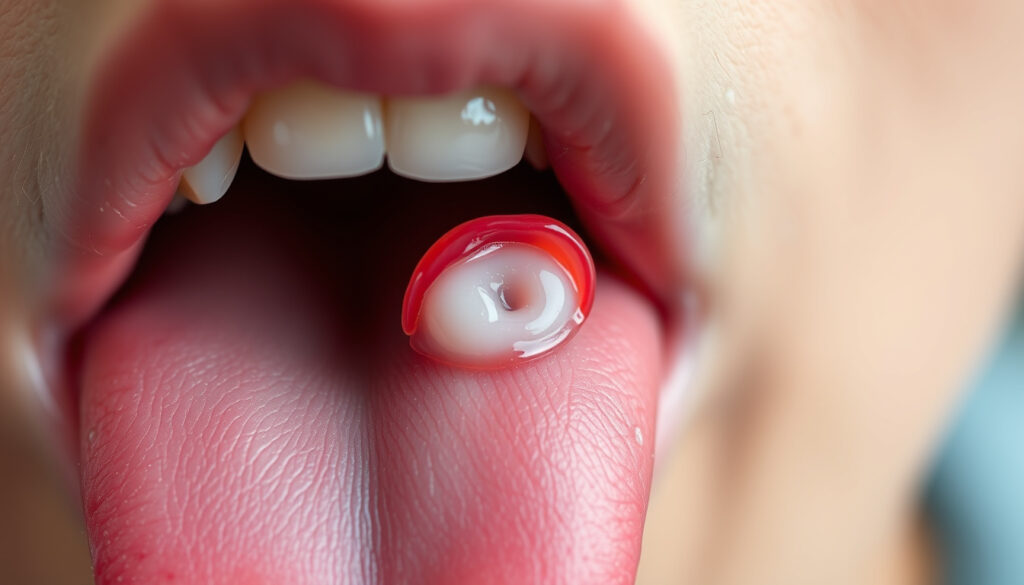
A canker sore on the tongue is a small, painful ulcer that develops on the soft tissues inside the mouth. Unlike cold sores, these lesions are non-contagious and typically appear as round or oval sores with a white, yellow, or gray center surrounded by a red border. The condition is remarkably common, affecting people of all ages and often causing significant discomfort during eating, speaking, and daily oral hygiene routines.
Most canker sores heal on their own within one to two weeks, though the initial pain can be sharp enough to interfere with basic activities. Understanding the triggers, recognizing symptoms early, and knowing which treatments provide relief can help manage outbreaks more effectively. This guide covers the causes, symptoms, treatment options, and preventive strategies specifically related to canker sores appearing on the tongue.
What Causes Canker Sores on the Tongue?
The exact cause of canker sores remains unknown, though researchers have identified several factors that commonly trigger their development. According to the Cleveland Clinic, these ulcers typically arise from a combination of internal and external factors rather than a single source. When they appear specifically on the tongue, certain triggers become more relevant due to the tongue’s constant movement and exposure to foods and beverages.
Stress, acidic foods, minor injury
7-14 days typically
No
1-3 days for relief
Common Triggers for Tongue Canker Sores
Several categories of triggers have been consistently documented across medical sources. Minor mouth injuries represent one of the most frequent causes, including accidentally biting the tongue, cuts from sharp foods, or irritation from dental procedures. The Mayo Clinic notes that these injuries create opportunities for ulcer formation, particularly when the tissue is already compromised.
- Minor injuries from biting, dental work, or sharp foods
- Stress and lack of sleep affecting immune response
- Hormonal changes, including menstrual cycle fluctuations
- Nutritional deficiencies in iron, folic acid, vitamin B12, or zinc
- Food sensitivities to acidic, salty, or spicy items
- Toothpaste containing sodium lauryl sulfate (SLS)
- Possible immune system irregularities or viral triggers
Nutritional deficiencies play a particularly notable role in recurrent canker sores. According to the National Institute of Dental and Craniofacial Research, individuals with low levels of iron, vitamin B12, or zinc experience higher frequencies of outbreaks. Addressing these deficiencies through diet or supplementation may reduce recurrence rates over time.
Canker sores on the tongue are not caused by the herpes simplex virus. This distinguishes them from cold sores, which are viral and contagious. Understanding this difference is essential for proper self-diagnosis and treatment decisions.
Understanding Why Recurrence Happens
Many people experience repeated canker sores on the tongue, which can feel frustrating. Recurrence often indicates ongoing exposure to triggers rather than a more serious underlying condition. Identifying personal trigger patterns through a symptom diary can help individuals anticipate and prevent future outbreaks. For those experiencing frequent recurrence—defined as more than three episodes per month—the National Institute of Dental and Craniofacial Research recommends consulting a healthcare provider to rule out underlying nutritional deficiencies or immune concerns.
| Fact | Details |
|---|---|
| Appearance | Round or oval white/gray ulcer with red border |
| Size | Usually under 1 centimeter in diameter |
| Pain Level | Highest initially, gradually decreases |
| Location on Tongue | Sides, tip, and underside are common areas |
| Primary Triggers | Vitamin deficiency, food sensitivities, injury |
| Healing Approach | Self-resolves; OTC treatments can accelerate relief |
| Risk Factors | Stress, hormonal changes, family history |
What Are the Symptoms of a Canker Sore on the Tongue?
Recognizing the symptoms of a canker sore on the tongue helps distinguish this condition from other mouth lesions. The Orajel resource center emphasizes that symptoms often develop in stages, beginning with warning signs before the visible ulcer appears. Being aware of these stages allows for earlier intervention and faster relief.
Early Warning Signs
Before the characteristic ulcer forms, most people experience a burning, tingling, or prickling sensation in the affected area. This prodromal phase typically lasts several hours to a full day and serves as an early indicator that a sore is developing. During this window, avoiding known triggers and starting gentle treatment may help reduce the severity of the outbreak.
Visual and Physical Characteristics
Once fully developed, a canker sore on the tongue presents as a small, round or oval lesion with a distinctive appearance. According to Medical News Today, the center of the sore typically appears white, yellow, or gray, surrounded by a pronounced red border indicating inflammation. The surrounding tissue often feels tender, and the sore itself may be sensitive to touch, temperature, and certain foods.
Canker sores on the tongue can appear singly or in clusters. In rare cases, multiple sores may merge into a larger ulcer, particularly with herpetiform-type outbreaks. Cluster formation typically indicates a more significant immune response and may require additional treatment approaches.
- Burning or tingling sensation before the ulcer becomes visible
- Small, round or oval sore with white/yellow/gray center
- Red, inflamed border surrounding the ulcer
- Pain that intensifies when eating, drinking, or speaking
- Sensitivity to salty, acidic, or spicy foods
- Discomfort during tooth brushing or flossing
- Occasional difficulty swallowing with larger ulcers
Duration and Healing Progression
Canker sores on the tongue typically follow a predictable healing timeline. The Cleveland Clinic reports that most sores heal completely within seven to fourteen days without medical intervention. Pain usually peaks during the first few days and gradually subsides as the ulcer shrinks. Herpetiform ulcers—those appearing in clusters—may take longer to heal, occasionally extending up to one month.
How to Get Rid of a Canker Sore on Your Tongue Fast?
While canker sores eventually heal on their own, several treatment approaches can accelerate healing and provide meaningful pain relief. Treatment options range from simple home remedies to over-the-counter products and prescription medications for more severe cases. Selecting the appropriate treatment depends on the sore’s size, pain level, and frequency of recurrence.
Over-the-Counter Treatment Options
Topical anesthetics represent the most accessible first-line treatment for canker sore pain. Products containing benzocaine, lidocaine, or similar active ingredients create a temporary numbing effect that allows for comfortable eating and speaking. Antiseptic rinses and gels serve a complementary function by reducing bacterial load in the mouth and potentially speeding healing. The GoodRx health team notes that combining these approaches often produces better results than using a single product.
When applying topical gels or ointments to tongue sores, use a clean cotton swab or your fingertip. Avoid touching the tube directly to the ulcer, as this can introduce bacteria and potentially worsen the condition.
- Benzocaine-based gels for temporary pain relief
- Lidocaine mouthwashes for broader coverage
- Hydrogen peroxide rinses to reduce bacteria
- Antiseptic mouthwashes containing chlorhexidine
- Protective pastes that coat the ulcer
Prescription Treatments for Severe Cases
For particularly large, painful, or persistent canker sores, prescription treatments may be necessary. Healthcare providers commonly prescribe topical steroid ointments, such as triamcinolone, to reduce inflammation and accelerate healing. Magic mouthwash—a compounded rinse containing multiple active ingredients—offers another prescription option for managing severe symptoms. The American Dental Association recommends consulting a dentist or physician when over-the-counter measures prove insufficient.
Effective Home Remedies
Several home remedies have demonstrated effectiveness for managing canker sore symptoms. Saltwater rinses represent the most accessible option—dissolving a half-teaspoon of salt in warm water and swishing for thirty seconds can reduce inflammation and promote healing. The HealthDirect health portal recommends repeating this process several times daily for optimal results.
- Rinse with warm saltwater two to three times daily
- Apply milk of magnesia directly to the sore with a cotton swab
- Use a small amount of honey as a natural antibacterial coating
- Rinse with diluted hydrogen peroxide solution
- Apply ice chips to numb the area temporarily
- Drink cold beverages to soothe irritated tissue
Switching to a soft-bristled toothbrush and using toothpaste without sodium lauryl sulfate can significantly reduce tongue irritation during outbreaks. Many commercial toothpastes contain SLS, which has been linked to increased canker sore frequency in susceptible individuals.
Canker Sore on Tongue: When to See a Doctor?
Most canker sores resolve without professional medical intervention, but certain signs indicate the need for evaluation by a healthcare provider or dentist. Understanding these warning signs helps ensure timely care while avoiding unnecessary visits for routine cases. The Cleveland Clinic provides specific criteria for determining when professional consultation becomes appropriate.
Red Flags Requiring Medical Attention
Sores that persist beyond two weeks without improvement merit professional evaluation. Unusually large ulcers—those exceeding one centimeter in diameter—may require prescription-strength treatment to heal properly. Recurrent outbreaks occurring more than three times monthly can signal underlying nutritional deficiencies or immune system issues that benefit from medical assessment.
- Sores lasting longer than 10-14 days
- Ulcers larger than 1 centimeter in diameter
- Recurrence more than three times per month
- Accompanied by fever, fatigue, or unexplained weight loss
- Difficulty drinking or eating leading to dehydration
- Sores spreading or appearing in increasingly large numbers
Canker Sore vs. Cold Sore on Tongue
Distinguishing between canker sores and cold sores remains crucial for appropriate treatment. According to the Mayo Clinic, canker sores occur exclusively inside the mouth, including on the tongue, while cold sores typically develop on or around the lips. The viral nature of cold sores means they are contagious, unlike canker sores, which cannot be transmitted from person to person.
| Aspect | Canker Sore | Cold Sore |
|---|---|---|
| Location | Inside mouth, including tongue | On or around lips |
| Cause | Multiple triggers; non-viral | Herpes simplex virus |
| Appearance | Flat ulcer with red border | Fluid-filled blister |
| Contagious | No | Yes |
| Treatment | OTC anesthetics, avoid triggers | Antiviral creams |
| Duration | 7-14 days | 7-14 days |
Both conditions can appear on or near the tongue, which sometimes creates confusion. However, cold sores on the tongue typically indicate herpes involvement and may accompany sores on the lips or face. The Orajel resource center notes that cold sores follow a distinct progression from blister to crust, whereas canker sores remain open ulcers throughout their lifecycle.
How to Prevent Canker Sores on the Tongue?
Prevention strategies focus on minimizing exposure to known triggers and maintaining oral health practices that support tissue resilience. While not every canker sore can be prevented, implementing consistent preventive habits significantly reduces both the frequency and severity of outbreaks. The Cleveland Clinic emphasizes that prevention works best when tailored to individual trigger patterns.
Oral Hygiene Best Practices
Maintaining gentle but thorough oral hygiene creates an environment less conducive to ulcer formation. Using a soft-bristled toothbrush minimizes mechanical irritation to the tongue and other oral tissues. Flossing with waxed dental floss reduces the risk of gum and tissue injury while effectively removing debris between teeth.
- Brush teeth twice daily with a soft-bristled brush
- Use toothpaste free from sodium lauryl sulfate
- Floss gently once daily with waxed floss
- Replace toothbrush every three to four months
- Avoid aggressive brushing that damages tissue
Dietary and Lifestyle Modifications
Identifying and avoiding personal food triggers forms a cornerstone of prevention. Acidic foods—including citrus fruits, tomatoes, and vinegar-based products—commonly irritate oral tissues and may trigger outbreaks in susceptible individuals. The National Institute of Dental and Craniofacial Research recommends maintaining adequate hydration and avoiding known dietary irritants as fundamental preventive measures.
Keeping a food and symptom diary for several weeks can help identify personal trigger patterns. Note when canker sores appear and what foods, activities, or stressors preceded the outbreak. Over time, this information reveals connections that enable targeted prevention.
- Limit acidic, salty, and spicy foods that irritate tissues
- Ensure adequate intake of iron, vitamin B12, and zinc
- Manage stress through relaxation techniques
- Get sufficient sleep each night
- Avoid chewing gum containing SLS
- Stay well-hydrated throughout the day
For individuals with recurrent canker sores related to nutritional deficiencies, addressing the underlying deficiency often provides substantial improvement. Blood tests can identify specific deficiencies, allowing for targeted supplementation under healthcare provider guidance. Ellis Dentistry notes that iron supplementation, in particular, has shown effectiveness in reducing recurrence rates among deficient patients.
Canker Sore Healing Timeline
Understanding the typical progression of a canker sore helps set realistic expectations and identifies when healing may be delayed. According to medical sources, canker sores follow a consistent pattern from initial onset to complete resolution, though individual timelines vary based on ulcer size, treatment approach, and personal health factors.
- Days 0-1: Pain and sensitivity peak as the ulcer begins forming; burning or tingling sensation may precede visible sore
- Days 2-3: The characteristic white/gray ulcer with red border becomes fully visible; pain remains significant but stable
- Days 4-7: Ulcer reaches maximum size; gradual reduction in pain and inflammation begins; healing starts at edges
- Days 7-14: Progressive shrinking of the ulcer; significant pain reduction; complete healing typically achieved by day 14
Herpetiform ulcers and those in individuals with compromised immune systems may follow longer timelines, occasionally extending to three or four weeks. The HealthDirect portal advises seeking medical evaluation if healing has not begun by the end of the second week.
What We Know and What Remains Unclear About Canker Sores
Medical research has established substantial knowledge about canker sores, yet certain aspects continue to present unanswered questions. Understanding both the established facts and areas of uncertainty provides a balanced perspective on this common condition.
| Established Information | Information That Remains Unclear |
|---|---|
| Canker sores are benign and self-healing | The precise biological mechanism triggering ulcer formation |
| They are not contagious under any circumstances | Why some individuals experience frequent recurrence while others rarely develop sores |
| Multiple triggers can initiate outbreaks | The exact relationship between stress and outbreak frequency |
| Nutritional deficiencies increase susceptibility | Whether specific genetic factors predispose certain populations |
| Treatment can accelerate healing and reduce pain | Optimal preventive protocols for high-risk individuals |
| Most cases resolve within 7-14 days | Why herpetiform ulcers take longer to heal than minor aphthous ulcers |
Understanding Mouth Ulcers in Context
Mouth ulcers, including canker sores on the tongue, represent one of the most common oral health complaints worldwide. These lesions affect approximately twenty percent of the general population at some point during their lives, with women slightly more likely to experience recurrent episodes than men. The condition typically first appears during adolescence or early adulthood, though outbreaks can occur at any age.
Research published in dental health journals suggests that the prevalence of canker sores has remained relatively stable over time, despite changes in diet, lifestyle, and healthcare access. This stability indicates that the underlying factors contributing to ulcer formation remain consistent across populations and generations. WebMD notes that while canker sores can significantly impact quality of life during active outbreaks, they do not typically indicate serious underlying disease in most cases.
The economic impact of canker sores extends beyond individual discomfort to include workplace productivity losses and healthcare utilization. Many individuals with recurrent sores require multiple over-the-counter purchases annually, and some seek professional care for severe or persistent episodes. Understanding the condition’s prevalence underscores the importance of accessible, evidence-based information for effective self-management.
Expert Sources and Guidelines
Several authoritative medical and dental organizations provide guidance on canker sore identification, treatment, and prevention. These sources represent the foundation of evidence-based recommendations found throughout this article.
“Canker sores are not contagious and typically heal on their own within one to two weeks. Over-the-counter treatments can help manage pain and speed recovery.”
— Mayo Clinic
“Maintaining good oral hygiene and avoiding known triggers are the most effective strategies for preventing recurrent canker sores.”
— American Dental Association
The National Institute of Dental and Craniofacial Research and Cleveland Clinic serve as additional authoritative resources, offering detailed information for both healthcare providers and patients seeking to understand and manage canker sore conditions effectively.
Next Steps
Managing canker sores on the tongue effectively involves recognizing symptoms early, implementing appropriate treatment, and taking preventive steps to reduce future outbreaks. For most people, a combination of over-the-counter products, home remedies, and trigger avoidance provides sufficient relief during active episodes. When sores recur frequently, persist beyond two weeks, or significantly impact daily life, consulting a healthcare provider or dentist ensures proper evaluation and personalized treatment planning.
For additional guidance on managing discomfort and supporting overall oral health, exploring resources on How to Stop Coughing may provide relevant wellness information, while What Is Collagen Good For offers insights into nutritional factors that support tissue health throughout the body.
Frequently Asked Questions
Are canker sores on the tongue contagious?
No, canker sores on the tongue are not contagious. Unlike cold sores, which result from the herpes simplex virus and can spread through contact, canker sores cannot be transmitted from one person to another.
What’s the difference between a canker sore and a cold sore on the tongue?
Canker sores appear inside the mouth as flat ulcers with a white or gray center and red border, while cold sores typically form on or around the lips as fluid-filled blisters. Cold sores are caused by a virus and are contagious; canker sores are not.
Why do I keep getting canker sores on my tongue?
Recurrent canker sores on the tongue often result from ongoing exposure to triggers such as nutritional deficiencies, food sensitivities, stress, or minor injuries from biting. Consulting a healthcare provider can help identify specific contributing factors.
How long does a canker sore on the tongue take to heal?
Most canker sores on the tongue heal within seven to fourteen days without treatment. Larger ulcers or those in individuals with certain health conditions may take up to three or four weeks to resolve completely.
What gets rid of canker sores on the tongue fastest?
Over-the-counter topical anesthetics provide rapid pain relief, while antiseptic mouthwashes and protective gels may help speed healing. Home remedies like saltwater rinses and milk of magnesia applications are also commonly used.
When should I see a doctor for a canker sore on my tongue?
Seek medical evaluation if the sore lasts longer than two weeks, is unusually large, recurs more than three times monthly, or is accompanied by fever, difficulty swallowing, or other concerning symptoms.
Can diet affect canker sore outbreaks on the tongue?
Yes, certain foods can trigger or worsen canker sores. Acidic foods, salty snacks, spicy dishes, and nuts are common culprits. Identifying and avoiding personal trigger foods can significantly reduce outbreak frequency.
More related posts
 Landman (TV Series) Episodes: Full List Season 1 & 2
 Magic: The Gathering Arena: Platforms, Download Guide
 Which Special Day Is Today – World Health Day on April 7
 Cast of Sicario 2: Full List of Actors in Day of the Soldado
 Mets vs Atlanta Braves Match Player Stats – Box Score, Leaders & Highlights
 Cast of Haunted Hotel: Voice Actors & Season 2 News
 Until Dawn Film: Reception, Cast & Box Office Analysis
 Alone in the Dark PS5 – Reviews, Gameplay and Buyer’s Guide